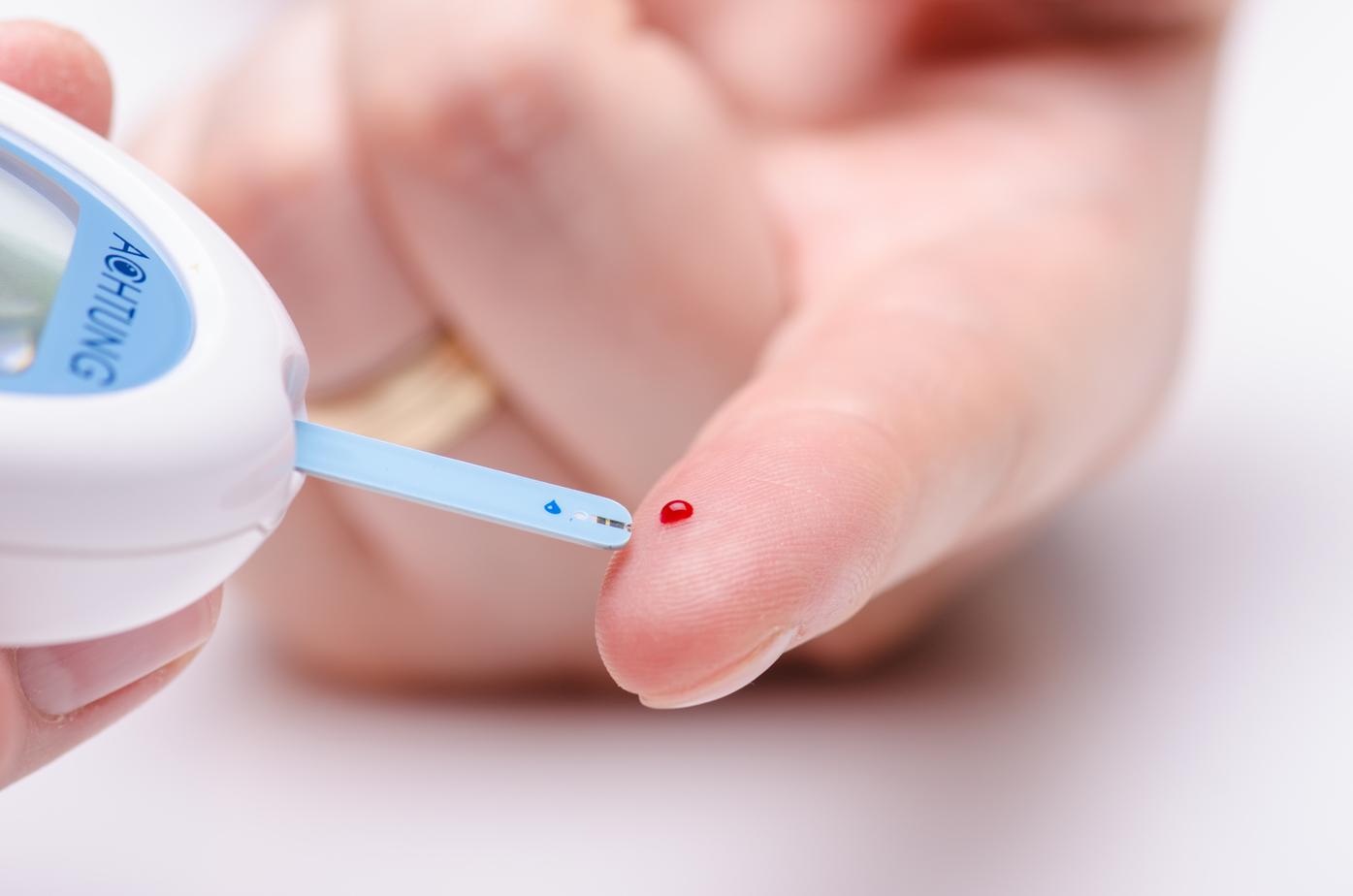
If you want one blood ketone meter that gets it right, buy the Keto-Mojo GK+. It reads both blood ketones and glucose, its strips cost about a dollar each, and it holds up against lab reference values in independent testing. But here is the buying insight almost every roundup skips: the meter is the cheap part. What you pay per strip, tested one to three times a day, is the number that actually decides your yearly cost. A $35 meter with $5 strips is far more expensive than a $50 meter with $1 strips.
Below we compare the meters that are actually worth buying, then break down the strip math, how blood testing stacks up against urine and breath, what the numbers mean, and when testing is genuinely useful versus a waste of money.
Blood ketone meter comparison
| Meter | Meter price | Cost per ketone strip | Reads glucose? | Readings stored |
|---|---|---|---|---|
| Keto-Mojo GK+ | ~$50 | ~$1 | Yes | 1,000 |
| KetoBM Kit | ~$30 kit | ~$1 | No | ~250 |
| Precision Xtra | ~$35 | ~$5 to $6 | Yes | 450 |
| Kiss My Keto Kit | ~$40 kit | ~$1.30 | No | ~100 |
Prices shift with sales and pack size, so treat these as ballpark figures. The pattern holds regardless: strip price is where meters separate.
The one number that matters: cost per test
Every meter here costs somewhere between $30 and $50 once. You buy it and you are done. Strips you buy again and again, which makes them the real cost of owning a blood ketone meter.
Run the math. Testing once a day for a year is 365 strips. At about $1 a strip, that is roughly $365 a year. At $5 to $6 a strip, the same habit runs $1,800 to $2,200. The Precision Xtra is an accurate, established meter, but its strip price is why we do not recommend it as a daily driver for keto. It makes more sense for someone who tests occasionally or already owns one.
This is also why a slightly pricier meter can be the cheaper choice. The Keto-Mojo GK+ costs more upfront than a bare-bones ketone-only kit, but its $1 strips and its ability to read glucose too mean you are not buying a second device or paying premium strip prices down the line.
A few things that quietly raise your per-test cost:
- Brand-locked strips. Every meter here only takes its own strips, so you are committed to that brand’s pricing for the life of the meter. Check the refill price before you buy the meter, not after.
- Glucose strips sold separately. Dual meters like the GK+ and Precision Xtra use different strips for glucose and ketones. If you only care about ketones, you only buy ketone strips.
- Lancets. Cheap and often overlooked, but a box of 100 costs a few dollars and lasts a while. Not a real factor in the total.
One way to soften the strip cost: buy in larger packs, since a 60-strip box almost always works out cheaper per test than a 10- or 20-count. Blood ketone meters and strips are also usually HSA and FSA eligible, so if you have one of those accounts you can cover the whole setup with pre-tax dollars. Just confirm the strips are in date, because ketone strips do expire and an out-of-date strip can drift enough to matter.
Our top blood ketone meter picks
Keto-Mojo GK+ (top pick). The best all-around choice. One meter reads both blood ketones and glucose, strips are about $1 each, and the Bluetooth app logs your readings and can calculate your glucose-ketone index if you track that. It has been independently validated as reliable for identifying nutritional ketosis. The higher meter price is the only downside, and low strip cost erases it quickly.
KetoBM Kit (best value). The cheapest sensible way in. The starter kit bundles the meter, lancing device, lancets, and strips for around $30, and refill strips run about a dollar. It only reads ketones, not glucose, and its memory is smaller, but if you just want an accurate ketone number without extra features, this is the pick.
Precision Xtra (most established). Abbott’s meter has the longest clinical history and reads glucose plus ketones. The problem is strips at roughly $5 to $6 each. Good for infrequent testing or if you already have one in a drawer, hard to justify for daily keto tracking.
Kiss My Keto Kit. A tidy pre-calibrated kit that needs only a 0.5 microliter blood drop, the smallest sample of the group, which is nice if you dislike lancing deep. Ketone-only, and strips cost a little more per test than the GK+ or KetoBM.
Blood vs. urine strips vs. breath meters
The three ways to test ketones at home measure three different molecules, which is why their results and their accuracy differ.
Blood meters measure beta-hydroxybutyrate, the main ketone your body actually uses for fuel. This is the most accurate home method and the number researchers and clinicians rely on. The tradeoffs are cost per strip and a finger prick each time.
Urine strips measure acetoacetate spilling into urine. They are cheap and painless, which makes them a fine way to confirm you are producing ketones in your first week or two. The catch is that as your body adapts to keto it reabsorbs and uses ketones more efficiently, so less shows up in urine even when your blood levels are solid. Weeks in, urine strips can read low or negative while you are firmly in ketosis, which makes them unreliable for ongoing tracking.
Breath meters measure acetone, a ketone byproduct you exhale. A breath device has no per-test cost once you own it, which is appealing. But readings can be thrown off by recent food, alcohol, and how you exhale, and the correlation with blood ketones is looser. Acetone is the same compound behind the fruity smell people notice on keto, which we cover in our guide to keto breath.
Short version: use urine strips early if you want cheap reassurance, consider a breath meter if you hate needles and want no recurring cost, but a blood meter is the one that tells you your real number.
What your ketone readings actually mean
Blood ketones are measured in millimoles per liter (mmol/L). Here is how to read the scale for nutritional ketosis:
- Below 0.5 mmol/L: not in ketosis. This is where most people eating carbs sit.
- 0.5 to 1.5 mmol/L: light nutritional ketosis. You are producing and burning ketones.
- 1.5 to 3.0 mmol/L: deeper nutritional ketosis, the range many people aim for when the goal is fat loss.
- Above 3.0 mmol/L: not a target. Higher is not better here, and chasing big numbers accomplishes nothing useful.
The whole 0.5 to 3.0 mmol/L band is nutritional ketosis, a normal, controlled state driven by diet or fasting. It is entirely different from diabetic ketoacidosis (DKA), a dangerous condition where ketones climb far higher alongside high blood sugar. For people without diabetes, diet-driven ketosis does not tip into DKA. If you have diabetes, ketone targets and warning thresholds are different, so follow your doctor’s protocol rather than general keto ranges.
Readings vary through the day for everyone. They tend to run lower in the morning and higher in the evening or after fasting, so compare like with like. Testing at the same time each day, first thing before eating is a common choice, gives you numbers you can actually compare week to week.
When testing is actually worth it
Blood testing is genuinely useful in a few situations:
- Confirming you are in ketosis at the start. Early on, symptoms are ambiguous and a reading settles the question. If you are still waiting to see the number move, our guide on how long it takes to get into ketosis explains the timeline.
- Troubleshooting a stall. If progress halts, a few readings tell you whether you are actually in ketosis or whether hidden carbs are the problem.
- Testing your own tolerance. Measuring before and after specific foods shows how your body responds and where your personal carb limit sits.
- Targeted or therapeutic keto. People using keto for specific medical or performance goals, under guidance, may need to hold a particular range.
And when it is mostly unnecessary: daily long-term testing once you are keto-adapted, losing weight steadily, and feeling fine adds cost without adding much information. Many people test daily for the first month, then taper to an occasional check when something changes. Your body composition, energy, and how your clothes fit are the outcomes that matter. The meter is a tool to answer specific questions, not a scoreboard to check every morning forever.
If you are still building your keto setup, our keto supplements buyers guide covers what is worth adding and what to skip.
The bottom line
Buy the Keto-Mojo GK+ if you want the best overall meter, or the KetoBM Kit if you want the cheapest accurate one. Skip anything with $5 strips for daily use. Test heavily in your first month to confirm ketosis and learn your tolerance, then dial it back. The meter answers a question, and once you know the answer, you do not need to keep asking it every day.
Related planning tools
Compare readings with our GKI calculator, which supports both common blood glucose units.