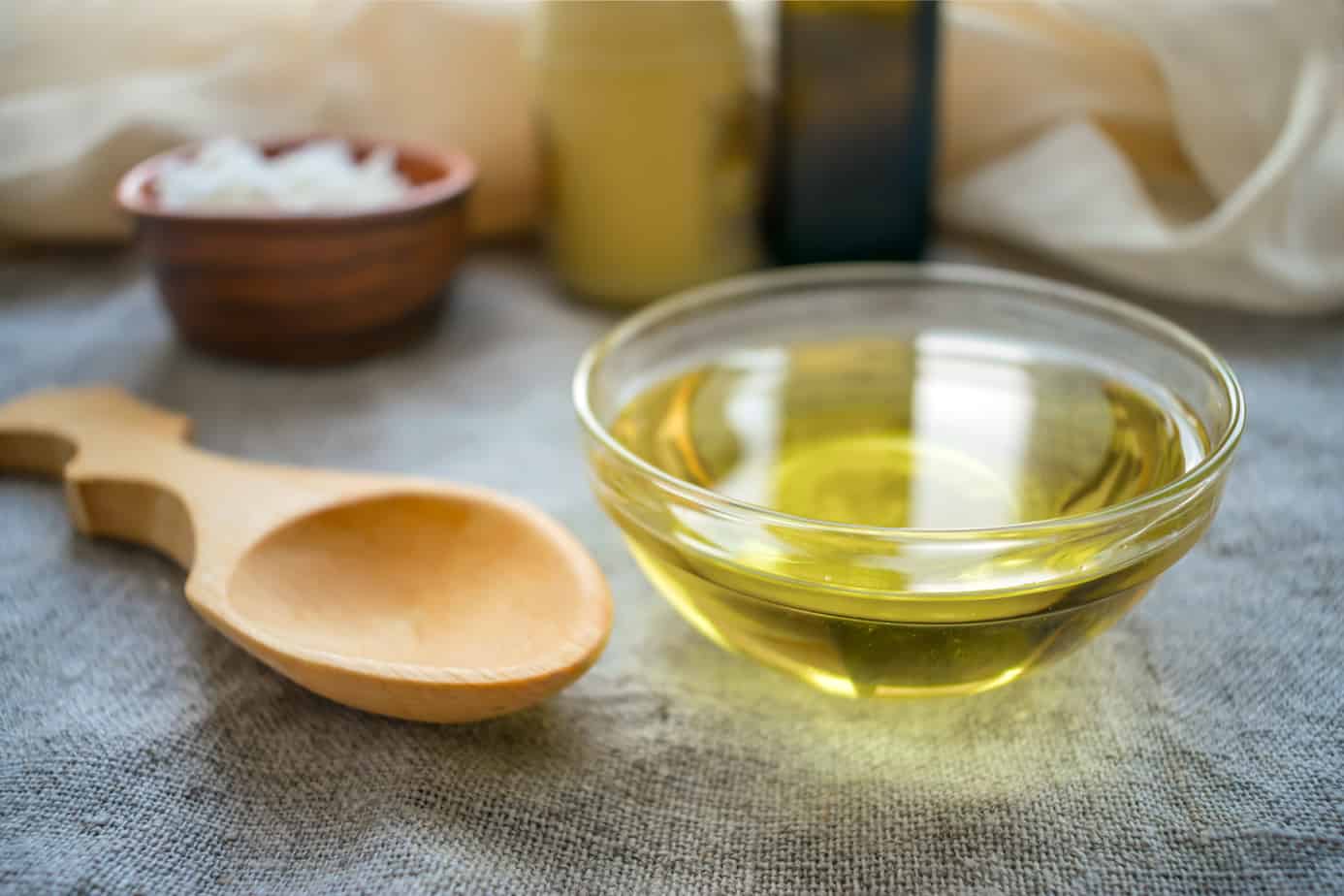
If you want one bottle that does the job, buy Bulletproof Brain Octane C8 MCT Oil. It is 100% caprylic acid (C8), the medium-chain triglyceride your liver turns into ketones fastest, it is sourced from coconut rather than palm, and it is triple-distilled with no fillers. That combination of pure C8, clean source, and neutral flavor is exactly what makes an MCT oil worth taking on keto, and it is the standard the rest of this list is measured against.
The catch is price. If you want the same benefits for less money, a C8/C10 blend like Sports Research Organic MCT Oil covers most people at a fraction of the cost. Below is the short list, a quick comparison, and a plain guide to reading a label so you do not overpay for weak oil.
Quick comparison
| Product | MCT types | Source | Form | Standout |
|---|---|---|---|---|
| Bulletproof Brain Octane | 100% C8 | Coconut | Liquid | Fastest ketones, cleanest formula |
| Sports Research Organic | C8 + C10 | Coconut | Liquid | Best value, USDA Organic |
| Nutiva Organic C8 | 100% C8 | Coconut | Liquid | Pure C8 that is also organic |
| Viva Naturals Organic | C8 + C10 | Coconut | Liquid | Balanced blend, neutral taste |
| Perfect Keto Powder | C8 + C10 | Coconut | Powder | Easiest on the stomach |
The best MCT oils for keto
Bulletproof Brain Octane C8 MCT Oil (best overall)
Brain Octane is pure C8, and that is the whole point. Caprylic acid has the shortest carbon chain of any usable MCT, so it moves through the liver quickly and shows up as ketones with the least digestive effort. The oil is drawn only from coconut, contains no palm oil, and is triple-distilled so there are no fillers or off flavors. It blends into coffee without separating and has a mild, almost buttery taste. The one drawback is cost: it is among the priciest oils per ounce, and because it is C8 only, you are not getting any C10. If you want the most potent, cleanest ketone driver and price is secondary, this is the pick.
Sports Research Organic MCT Oil (best value)
This is the oil to buy if you want most of the benefit without the premium price. It is a balanced C8 and C10 blend from 100% organic coconut, carries USDA Organic and Non-GMO Project verification, and is third-party tested for quality. It is unflavored and works in coffee, tea, and shakes. Because it is a blend, the C8 percentage is lower than a pure C8 oil, and it does contain a trace of C12 (lauric acid). For everyday keto energy and coffee, that trade-off is easy to accept at this price.
Nutiva Organic C8 MCT Oil (best organic C8)
Nutiva bridges the gap between the two picks above. It is pure C8 like Brain Octane but also USDA Organic, made from non-GMO coconut with no hexane and no fillers, and it costs noticeably less than the premium C8 brands. If you specifically want organic and pure C8 in the same bottle, this is the most sensible option. It ships in smaller bottle sizes and a plastic container rather than glass, which are the only real knocks against it.
Viva Naturals Organic MCT Oil (best C8/C10 blend)
Viva Naturals is a well-reviewed C8 and C10 blend from 100% organic, non-GMO coconut with no lauric acid added. The flavor is neutral, it dissolves into hot and cold drinks easily, and the larger bottles are a strong value. It is not a pure C8 oil and the exact blend ratio is not printed on the front label, so it sits alongside Sports Research as a dependable, affordable blend rather than a premium ketone driver.
Perfect Keto MCT Oil Powder (best for sensitive stomachs)
Liquid MCTs upset some stomachs, especially in the first week. Powder is the fix. Perfect Keto uses acacia fiber as the carrier instead of corn maltodextrin, so it will not spike blood sugar or knock you out of ketosis the way cheaper powders can. It is gentler on digestion, travels well, and adds a creamy texture to coffee. The trade-off is potency: powder delivers fewer grams of MCTs per serving than straight oil and, by definition, is not a pure MCT because of the carrier. For anyone who reacts badly to liquid oil, that is a fair price to pay.
How to choose an MCT oil
The market is full of bottles that all say MCT on the front and hide very different formulas on the back. Four things separate a good oil from a weak one.
C8 vs C10 vs lauric acid
There are four medium-chain triglycerides. In order of chain length they are caproic acid (C6), caprylic acid (C8), capric acid (C10), and lauric acid (C12). The shorter the chain, the faster the liver converts it to ketones. Adding just two carbons to the chain can slow the diffusion rate dramatically, which is why C8 outperforms C10 for speed and both outperform C12.
Lauric acid is the one to watch. Even though it is technically an MCT, C12 behaves more like a long-chain fat in the body: it is slow to digest and slow to raise ketones. Many cheap oils and all coconut oil are heavy in C12, which is why they feel like a poor value for keto. C6 is left out of most oils because of its harsh smell and taste. The practical rule: the more C8 (and secondarily C10), the more ketogenic the oil.
Coconut vs palm source
MCTs are fractionated out of either coconut oil or palm kernel oil. Coconut is the cleaner, more sustainable choice, and palm oil sourcing is tied to deforestation. Every oil on this list is coconut-sourced. If a label does not state the source, treat that as a warning sign.
Liquid, powder, or softgel
Liquid is the purest and most potent form and the easiest to add to keto meals, but it is the most likely to cause stomach upset and the least travel friendly. Powder is gentler on digestion and portable, but it is bound to a carrier, so choose one that uses acacia fiber rather than maltodextrin or other starches that add carbs. Softgels are convenient for travel and add no carbs, but they are slower to digest and cannot be stirred into food. Most people on keto are best served by a liquid oil at home; the other forms solve specific problems.
Dosage and the GI warning
MCT oil can cause diarrhea, nausea, cramping, and gas when taken in large doses, especially at the start. Begin with one teaspoon per day and build up slowly to one or two tablespoons, and take it with food or coffee to blunt the effect. These side effects usually fade within a week or two as your body adapts. Never fry with MCT oil; its low smoke point means high heat degrades it. For a full breakdown of amounts and timing, see our guide on how much MCT oil to take per day on keto.
A quick word on coconut oil
Coconut oil and MCT oil overlap but are not interchangeable. Coconut oil is roughly half lauric acid (C12) plus some long-chain fats, so it raises ketones slowly and is better suited to cooking than to fueling ketosis. MCT oil concentrates the fast C8 and C10 fractions and strips out the slow ones. If your goal is a quick, reliable ketone boost, MCT oil wins; if you want a stable cooking fat with immune-supporting lauric acid, coconut on keto still earns a place in the kitchen.
The bottom line
For the fastest, cleanest ketones, buy pure C8: Bulletproof Brain Octane if budget allows, or Nutiva Organic C8 for the organic version at a lower price. For everyday value, Sports Research Organic or Viva Naturals give you a solid C8/C10 blend for less. And if liquid oil bothers your stomach, Perfect Keto MCT Oil Powder is the gentle way in. Whichever you choose, read the back label for C8 content and a coconut source, start with a small dose, and stir it into your morning coffee on keto. For where MCT oil fits alongside the rest of your stack, see our keto supplements buyer’s guide.